AI-driven marketing use cases and watchouts

AI is transforming marketing, likely in ways we haven’t realized yet. From rapid content generation to programmatic advertising, marketers have obtained a new level of automation and insight that allows them to shift their focus to analysis and strategy. However, AI requires clean and comprehensive data at the foundation. One use case for the go-to-market data lake (GTMDL), the single source of truth between sales and marketing, is to power current and future AI use cases.

But what are the key building blocks for an AI-driven Go-to-Market Data Lake (GTMDL)? How are businesses leveraging cloud data warehouses and AI tooling to level up their marketing operations? What are the pitfalls? Let’s look at a few ways tech-led organizations are rethinking and rearchitecting their data, in view of the AI revolution.

Data as the foundation

Quality data is paramount for the underpinning of an AI infrastructure. Unsurprisingly, flawed input data leads to flawed analysis and output data. Without the proper attention to data quality, AI will simply provide the wrong results at a much faster pace. Many organizations fall into this trap – the best product in the world, either a CDP or homegrown solution, will fail if data architecture is not at the forefront of the design.

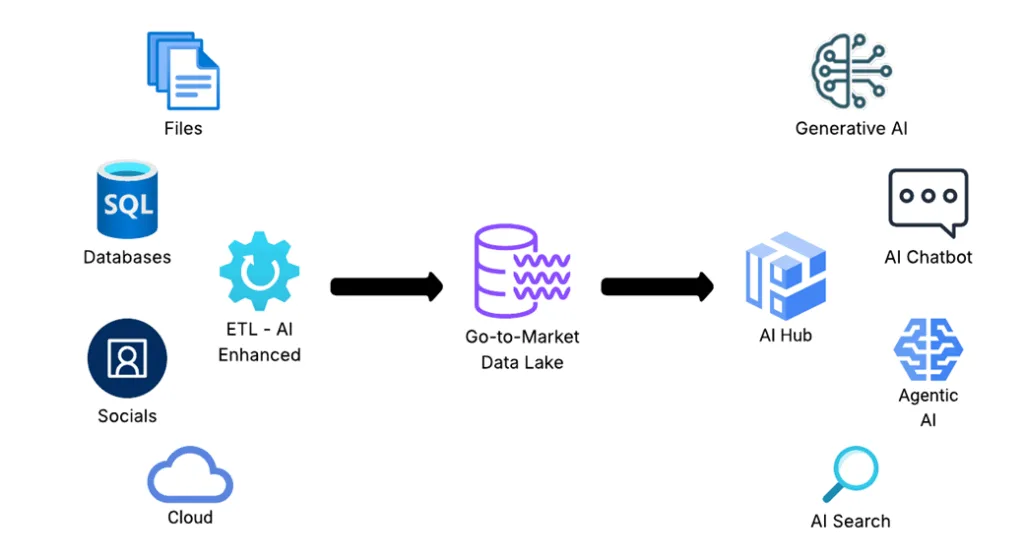
We believe the GTMDL is the answer to this problem. A carefully designed data lakehouse, tailored to your customers’ needs, serves as the foundation. The AI platform, integrated with the GTMDL, serves as the hub of activities and is where a Large Language Model (LLM), Retrieval Augmentation Generation (RAG), and other AI modeling are built and executed. With this base, AI operations can be executed with ease, providing content, insights, and recommendations in a fraction of the time it would normally take a marketing team.
Insights AI

A centralized GTMDL provides the bedrock: growth and scaling for both storage and compute. AI bridges the gap between humans and systems by putting the data at our fingertips. There are many insights to be explored, and AI tools are being capitalized on to provide these insights for marketers.

  • Underlying data are now queryable by non-technical stakeholders, providing natural language search to SQL systems and removing the IT hurdle
  • Predictive analytics churns customer data, both real-time and historical, anticipating future behaviors and calculating CLV
  • Reporting agents do much of the legwork required to distill customer data into dashboards, allowing for more focus on the details

Generative AI

Generative AI, or simply GenAI, is likely one of the first areas of AI adopted by marketers and we’re seeing it significantly boost productivity. For example, consider the lift required to leverage an existing blog post or whitepaper as the source of a targeted ad campaign. GenAI can produce as many versions of the concept as needed and in the necessary format―whether that be text, image, or video―in a fraction of the time.

Using commercially available or free tools such as ChatGPT is a common route for most marketers looking to get started with AI and is great for many cases. However, AI coupled with the GTMDL is beneficial as an augmentation for many reasons:

  • Data stays within the governance of IT, enhancing privacy and security
  • Content is generated from internal sources and is more relevant
  • Models can be trained and customized for different uses

Decisioning AI

How might AI enhance our decision-making process for something as simple as A/B testing? At the most basic level, AI can identify patterns in data that humans may miss, providing recommendations that will lead to more successful results. But we still must conduct the test and wait for the results, right? Not necessarily. An AI-driven GTMDL can be leveraged to learn on the fly and adjust recommendations. A single A/B test that may take 8 weeks can be accomplished in much smaller periods, such as 2 weeks, increasing the number of experiments within the timeframe. Response data from the test is continually received and ingested back into the model, informing us of the success of the test cases. AI decisioning subsequently adjusts the recommendations and provides alternate tests that are then adjusted in downstream campaign platforms. As we continue to feed this data back into our GTMDL, along with all the other data points we are gathering, we gain a deeper understanding of our audience and create a system that is nimble and responsive to the market.

Key watchouts

We’ve covered a handful of great use cases for marketing teams to implement an AI-driven GTMDL and there are hundreds more. We also should pay close attention to a few factors that will impact your outcomes, such as governance, cost, and data quality.

Governing how AI is used within an organization is important to reduce risk, protect sensitive data, and establish guidelines for responsible use. With AI in its infancy, it’s important to establish as many guardrails as needed without hindering the exploration process. One failure, such as improperly handling PII, will be devastating.

Be mindful of cost―AI is storage and compute intensive. Carefully architecting AI systems is important to control runaway costs and stay within budget. Start with small data sets that don’t require immediate results and 24/7. Also, enabling spending limits where possible is a must.

Most importantly, as stated previously, the data quality is crucial. The term GIGO (Garbage In, Garbage Out) may seem trite, but it certainly still applies. Investing significant amounts of capital in AI without proper oversight of the data will result in less effective, if not useless, outcomes.

Conclusion

Current and future AI uses for marketing and sales will require clean data and strong taxonomies and metadata. Smart organizations are building a flexible and scalable go-to-market data architecture that can be AI driven—now or in the future. Granular data in an organized structure readable by AI can power current use cases like propensity modeling and segmentation and prepares for future use cases like real-time media optimization.

Check out the GTMDL whitepaper here to learn our vision and approach to AI, data, and Martech. Data is the key to your success, and we can help!

Download the whitepaper, “Building a composable go-to-market data stack”​

Rethink your data foundation and lead the next era of AI-ready, insight-driven marketing.
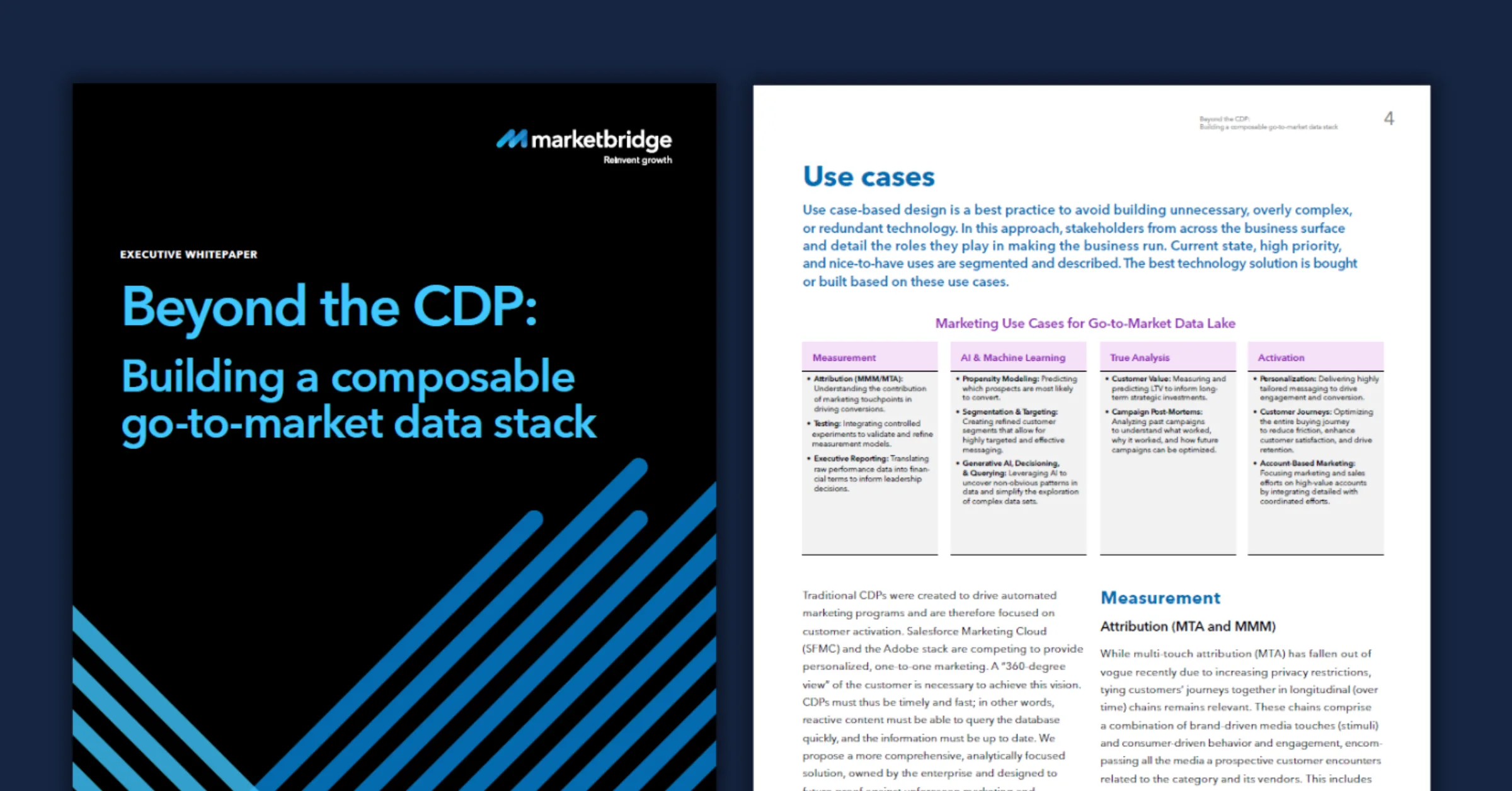
Beyond the CDP: Building a composable go-to-market data stack

Beyond the CDP: Building a composable go-to-market data stack

Why top marketers are ditching the CDP for something better

Marketers sought a 360-degree view of the customer for years. CDPs promised a solution, but delivered a narrow lens, focused on audience activation, not insight, measurement, or strategic growth. As the pressure to use AI grows and budgets tighten, CMOs are realizing: software-based CDPs aren’t built to handle the real complexity of today’s marketing. This paper introduces a new approach—the Go-to-Market Data Lake (GTMDL)—a flexible, scientific, and scalable architecture that places modern cloud data infrastructure at the center of sales and marketing. Unlike closed software platforms, the GTMDL is designed for how your business runs—enabling measurement, modeling, AI, and omnichannel activation with full transparency and control.

In this paper we cover:

  • Why CDPs failed to deliver: How the promise of one-size-fits-all software missed the mark for real marketers
  • The rise of data strategy as a marketing imperative: Why CMOs can no longer leave data to IT
  • What a GTMDL unlocks (use cases): From better sequencing of campaigns to full-funnel measurement and AI-powered decision-making
  • Designing for business value: How use-case-first development avoids long-running IT projects that are aligned to technical milestones instead of business outcomes
  • Laying the AI foundation: Why having clean, granular, and governed data is the key to leveraging current and future AI
Download the paper to rethink your data foundation and lead the next era of AI-ready, insight-driven marketing.
What’s next?

Chevron: Delo makes the choice clear

Chevron: Delo makes the choice clear

When the stakes are high—like in the industrial industry where competition is fierce and margins razor thin—there’s no room for error. Every decision impacts not only the operation but also the people it serves, from emergency responders and food haulers to cement trucks and school buses. This brand-meets-demand campaign for Chevron Delo proved to commercial fleet managers that choosing the right engine oil can not only alleviate operational pain points but deliver a business edge.

Not all oils are created equal

Choose Delo serves as a powerful wake-up call to industry professionals, reminding them that every decision counts—especially when it comes to engine protection. The message is clear: Your choice can make or break your ability to compete. With striking, moody lighting and bold imagery of real people and heavy equipment in authentic work environments, the campaign creative struck an emotional and emphatic chord.

“This campaign was thoughtfully designed to educate fleet operators about the crucial role of engine oil while offering proven solutions to their most pressing challenges—all through the lens of their industry.”

Walt M. Collier​, Americas Brand Manager for Delo engine oils and ancillary products

Calling all strategic-minded fleet managers

To bring the audience insight and big idea to life, we created a video series built specifically to hit home with the individuals tasked with keeping commercial fleets on the job, featuring a range of real-world companies that have made Delo heavy-duty engine oil part of their success. A strategic blend of cross-industry “anthemic” and vertical-specific versions ensured content would resonate well with targeted industry prospects. ​Then, we took it a step further.

Straight from the mouths of Delo users

Leveraging the momentum of the initial campaign, we dug even deeper, going straight to businesses who did, in fact, choose Delo. This was a unique opportunity for key decision makers at real companies to share their stories in an authentic, unfiltered way. In their own words, they revealed the challenges they faced and how transitioning to Delo transformed their operations. By adding “I” to the “Choose” Delo concept language, we spoke directly to the individuals making these choices at their own companies, tapping into the powerful emotions and business realities at stake.

Smart campaign choices pay off

Our seven Choose Delo videos outperformed industry benchmarks, achieving a CPM of $3.02 on Facebook (78% below $14 benchmark) and $20.08 on LinkedIn (49% below $40 benchmark).​The impact of this success laid the groundwork for expansion with the ​“I Choose Delo” testimonial campaign, featuring actual industry fleet managers sharing their stories of what the Delo difference means to them.

0 M

video views

0 K

engagements

$ 0.1

cost per action

“We harnessed the power of authentic voices—real people who are passionate about their companies and their commitment to deliver. Sharing their unique stories in their own words connected with industry decision makers on a deeper level.”

Walt M. Collier​, Americas Brand Manager for Delo engine oils and ancillary products

FLIR: (Re)staking a claim with a powerful call to adventure

FLIR: (Re)staking a claim with a powerful call to adventure

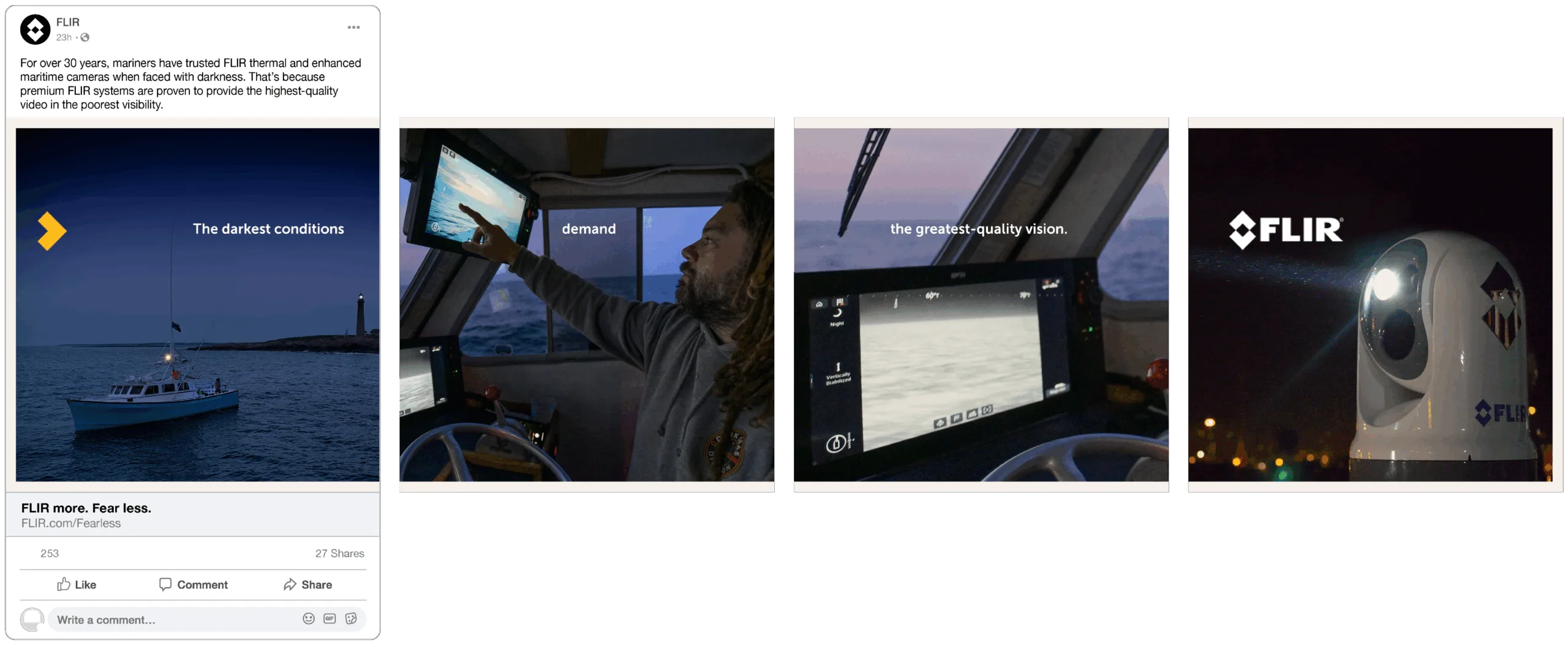
FLIR, a leader in marine thermal and enhanced vision cameras, has built a renowned reputation for quality and reliability. But lower-cost alternatives were creeping in, threatening mind and market share and skewing FLIR’s brand perception. Marketbridge developed an integrated campaign blending messaging, creative development and media activation that would re-establish FLIR’s reputation as the supreme choice for serious boaters.

Going high in a race to the bottom

FLIR, a Teledyne company, has been trusted for over 30 years by first responders, commercial mariners and recreational boaters. However, a growing number of lower-cost alternatives are positioning themselves as comparable in quality, creating a race-to-the-bottom dynamic. Primary research targeting FLIR customers confirmed that video quality and reliability drive purchasing decisions, outweighing price concerns. Maintaining FLIR’s leadership meant reinforcing its performance advantages in an increasingly cost-driven market.

At the same time, FLIR faced a unique challenge: a dealer-driven sales model that limits direct consumer engagement. To sustain brand preference and influence purchases, we needed a strategy that reached and resonated with boaters despite the indirect sales approach.

FLIR more. Fear less.

Creatively, our big idea was “Fearless,” a call to adventure that addressed boaters’ caution in low-visibility conditions while reinforcing brand recognition by aiding pronunciation. Rather than avoiding night boating or adverse weather, FLIR customers could embrace every journey with confidence, knowing they had the dependability that cheaper alternatives lack. The campaign showcased real-world use cases, emphasizing FLIR’s trusted, high-quality performance in safe navigation for mariners, law enforcement and commercial operators—reinforcing the brand’s superiority over competitors that cut costs by sacrificing reliability.

“Put that headline on a T-shirt!”

Regional Sales Manager, FLIR

An integrated campaign for a B2B2C world

Unlike direct-to-consumer brands, FLIR relies on dealers, meaning brand awareness and demand generation had to work alongside dealer enablement. The go-to-market plan combined paid and organic media to drive both end-user demand and dealer participation. Paid media included programmatic digital banners, targeted print ads and social campaigns on Facebook and Instagram, while organic efforts leveraged SEO-driven blog articles, branded video content and community engagement. CRM tools and analytics tracked performance, refined targeting and supported both dealer and consumer engagement.

Execution spanned


  • Digital banners and social media assets targeting high-intent audiences

  • Print advertising in key industry publications

  • Geofencing and retail media placements at West Marine and MarineMax to drive awareness and engagement at the point of sale

  • SEO and content optimizations on FLIR’s website and campaign landing pages to improve organic visibility and reinforce positioning 

Have no fear, big results are here!

The campaign reaffirmed FLIR’s market leadership, resonating with commercial and recreational audiences while supporting dealer-driven sales conversations. By focusing on what serious boaters value most—quality, reliability and performance—FLIR reinforced its position as the top choice in marine cameras, proving that with FLIR, no boater has to fear what they can’t see.

0 %+

YoY organic branded searches

0 M

impressions
across channels

0 K

in-store impressions

Chevron: “Ranting” and raving about engine oil​

Chevron: “Ranting” and raving about engine oil

Companies that rely on diesel engines every day have a lot of choices when it comes to the heavy-duty engine oil (HDEO) they trust to protect their equipment. On top of that, many don’t consider it a significant part of their business plan. This “rant-style” influencer campaign helped fleet managers understand the vital role engine oil plays in their operation—and presented it in a style and format that folks could really get behind.

Meeting audiences where they are

There are still misconceptions out there about the importance of engine oil and how it can hurt—or help—the bottom line of a business. With intel provided by on-the-ground sales teams, we knew that changing a maintenance practice isn’t as simple as flipping a switch, with existing contracts, long-standing vendor relationships and “that’s the way we’ve always done it” status-quo mentalities getting in the way. Consumption habit research told us we could most effectively reach our target audience on social, namely Facebook and YouTube. But to really engage with these time-starved fleet managers, we needed to do something…different. 

“Our intentionally raw approach captured the genuine tone of real-world conversations, creating an authentic platform for our industry influencer to share actionable insights and practical information that viewers can actually use.”

Walt M. Collier​, Americas Brand Manager for Delo engine oils and ancillary products

Finding our HDEO voice

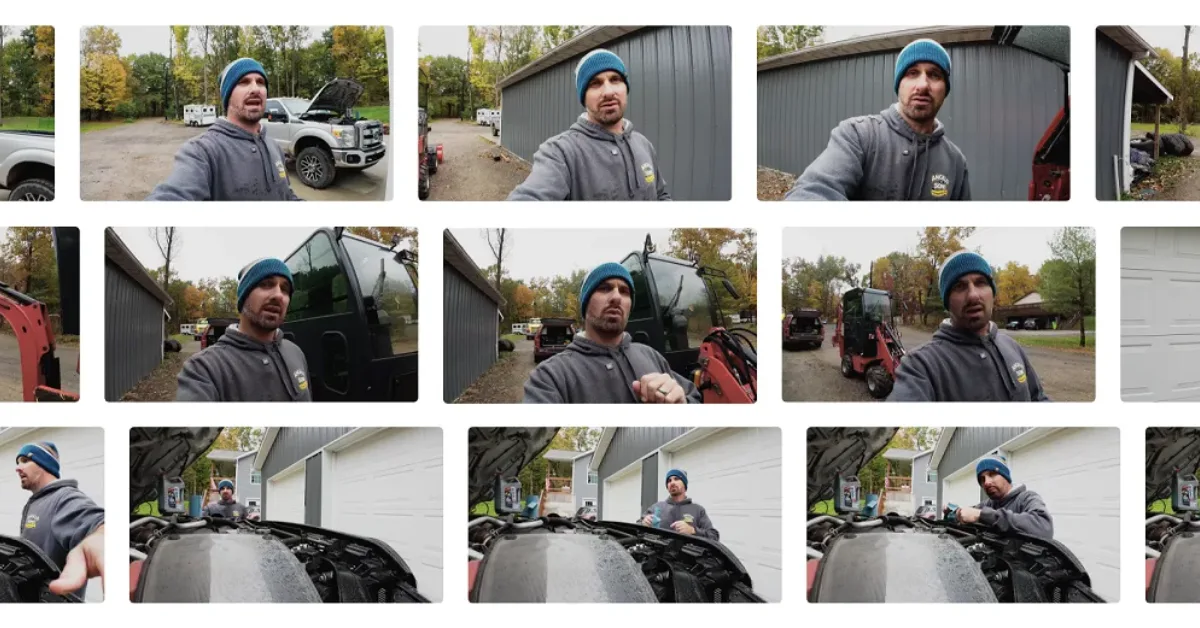
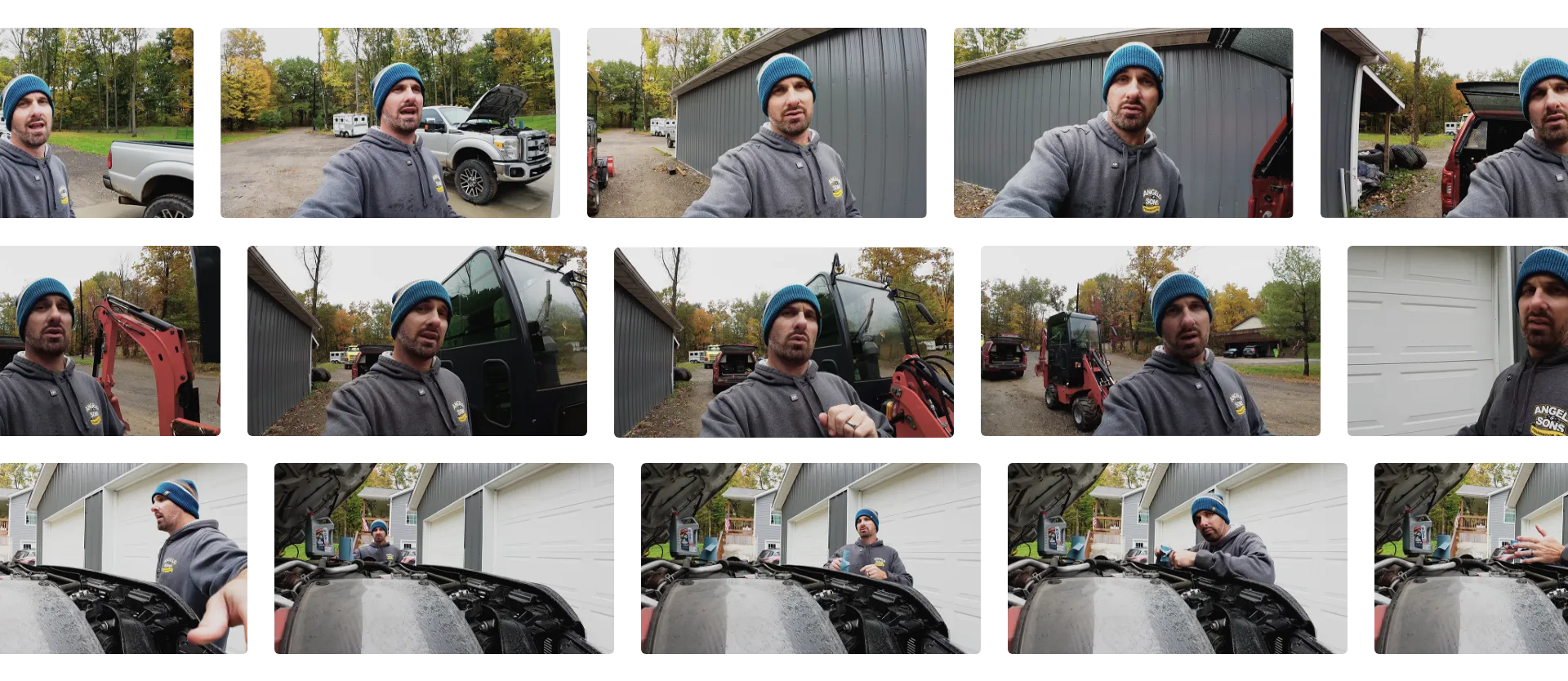
We created a series of gritty, unfiltered videos featuring industry influencer Bryan Furnace, founder of the YouTube channel Diesel & Iron. He also hosts the Equipment World YouTube show The Dirt. With his experience as a heavy-equipment operator and established social presence (over 8.4M YouTube views), Bryan had the ideal combination of on-screen personality and genuine industry cred to connect with our audience. 

A video series built with grit

The unpolished “rant-style” format was purpose-built for this video series, allowing Bryan to immediately capture attention with a provocative, relatable opening that cut through the noise. As an industry professional, Bryan’s delivery was both approachable and unapologetically real, like swapping stories over coffee on a job site.

Series strikes a chord on social

The video content exceeded expectations and delivered on all program objectives, dispelling myths about the business impact of equipment lubrication and bolstering Chevron’s position as an industry leader and voice of authority. The video series has consistently been among the top-performing Chevron Lubricants social content since the program’s inception.

0 M

impressions

0 M

engagements

0.1 K

link clicks

0.1 M

video views

$ 0.1

cost per action

Inside BioCatch’s ABX strategy that targets the world’s largest banks

Challenge: Not enough data

BioCatch is a world-renowned leader in financial crime prevention powered by behavior biometric intelligence, which uses advanced analysis of a user’s physical and cognitive behavior to help banks protect consumers and their assets from fraud and cyberattacks. 

BioCatch’s marketing team faced a familiar challenge: a lack of actionable data. This made it difficult to effectively connect with their ideal audience using personalized, relevant messaging.

“We didn’t want to be on an ad platform where we were wasting even a penny showing ads to people who didn’t care or were not within our ICP,” said Jonathan Daly, CMO of BioCatch.

Past campaigns leaned on more traditional marketing tactics, often generating leads that didn’t align with their ideal customer profile (ICP). Without a way to clearly understand buying signals and real-time intent, resources were being drained without measurable ROI.

Solution: Implementing 6sense

To address this, we helped BioCatch implement 6sense and build out an ABX strategy to use this data.

Our team designed a series of one-to-few and one-to-many campaigns, integrated a multi-touch framework, and established a robust reporting framework for tracking full-funnel performance.

We began by refining their ICPs and deploying 6sense’s Predictive Analytics to continuously optimize messaging based on customer behaviors and buying signals. This AI-driven capability provided visibility into where accounts were in their journey, enabling BioCatch to prioritize high-potential prospects.

6sense’s Intent Scoring added another layer of precision, giving the team the data they needed to focus efforts on the accounts most likely to convert based on prior engagement trends.

Outcome: A wildly successful pilot campaign

We rolled out a pilot initiative with a bold target: engage 553 global banks that had shown little to no previous interest, and move at least 60 into the active sales pipeline—all through an Account-Based Experience (ABX) strategy.

Using 6sense, we developed over 200 unique audience segments and ran personalized one-to-one, one-to-few, and one-to-many campaigns.

Over the course of six months, we launched highly tailored landing pages, ran full-funnel, multi-channel campaigns across 6sense Display Ads, LinkedIn, and Google, and synced our messaging to match where each account was in the buying cycle.

In total, we created over 450 creative assets and built over 10 landing pages. And after six months, the results were:  

  • 5x increase in accounts in active pipeline stage  
  • 6% of the full target account list moved into the pipeline stage since March  
  • 63% increase in accounts in active engagement stage  

This initiative marked a turning point for BioCatch’s marketing strategy—transforming their approach from broad and traditional to data-driven and precision-targeted. By leveraging the power of 6sense and a deeply segmented ABX framework, BioCatch was able to focus its efforts where it mattered most, align closely with buyer intent, and drive measurable pipeline impact at scale. The success of this pilot not only proved the value of intent data and predictive insights but also laid a strong foundation for future growth.

Epiroc: Groundbreaking ABM delivers rock-solid ROI

Epiroc: Groundbreaking ABM delivers rock-solid ROI

Mining and construction companies have options when it comes to equipment and service partners. Equipment is viewed as a cost vs. an investment, and there has been little impetus to move from the status quo. Our job was to flip the script and demonstrate that Epiroc is a whole-business partner with deep expertise, innovative technology and trustworthy service that helps businesses achieve their strategic goals. 

Laying foundations for success

Epiroc is a leading global manufacturer of mining and infrastructure equipment and technology. After spinning out from a 150-year-old firm and becoming a stand-alone company in 2018, Epiroc has been on a journey to build mindshare as a new brand and increase market share with right-fit, high-potential accounts.  

This account-based marketing (ABM) campaign was built to increase receptiveness and understanding of Epiroc beyond high-end equipment and create opportunities within key accounts. Internally, we wanted to foster buy-in and collaboration between Marketing and Sales and establish a scalable ABM blueprint for future campaigns. 

We’d been thinking about Account-Based Marketing for a while, and from our very first campaign, we saw remarkable results. The key was strong alignment—both between our marketing and sales teams and with our agency partner, Marketbridge, who brought invaluable ABM expertise and creativity to the table.

Mila Armer, Head of Strategic Marketing, Epiroc

Heavy-duty industry, meet emotionally resonant creative

The big idea for the campaign“Eyes on the future. Boots on the ground.symbolized Epiroc’s unique, whole-business partnership approach. It asserted that Epiroc is the innovative and ambitious partner companies need in order to thrive while delivering practical, hands-on support that goes beyond the initial purchase of equipment. Art direction put the spotlight on leading-edge Epiroc machinery and technology while amplifying the power of human connection. Copy was forthright and sincere, demonstrating how Epiroc supports its clients’ business objectives and helps bring operations to the next level of performance, safety and efficiency.

Multi-channel campaign surrounds, engages and converts

With a strong ICP and a portfolio of existing relationships, we designed and launched a multi-channel ABM program, including both 1:1 and 1:Few plays.


We surrounded 11 total key accounts with Demandbase banner ads, LinkedIn paid media and marketing-led emails, driving to a HubSpot-powered content hub featuring personalized videos from Epiroc sales leads, thought leadership and solution content.


The capstone was an exclusive invitation to Epiroc’s new Competency Centers that served as innovation hubs and demo facilities.  

Rock-solid campaign ROI

So far, the ABM plays have helped drive $25M in pipeline, including a single opportunity worth $16M. And, notably, approximately 60% of pipeline generated related to key accounts showing interest in expanding beyond Epiroc’s core equipment by adding/upgrading one or more of Epiroc’s innovative technology and aftermarket service offerings. 

0 %

engagement of 1:1 accounts

$ 0 M

pipeline generated

0 %

pipeline in technology and aftermarket upsell

"This campaign sharpened our messaging for the right audience, significantly increasing awareness among key accounts of our services and expanding our overall reach."

Jared Pratt, VP Sales and Business Development, Epiroc

The VAR-to-MSP shift: It’s time to eat egg salad

Growing up, when I heard the expression “humble pie,” I would always correct the speaker and say, “egg salad.” While super confusing to most, my parents understood perfectly—I LOVED pie and hated eggs. If there was something impossible to eat, eggs were my standing metaphor. Even now when I admit I’m wrong, I hold my nose, ignore the texture, steeling myself for some egg salad.

It was once trendy to say that “VARs are becoming MSPs.” For a while, it even looked true. Around 2015, the writing was on the wall: the traditional value-added reseller model was under pressure. Product margins were collapsing, cloud was displacing boxes, and recurring revenue was the new gold standard. To survive, the logic went, VARs would transform into managed service providers (MSPs). They would trade one-off project work for sticky, managed service contracts. They’d adopt SLAs, build helpdesks, and evolve from sales-heavy shops into operationally efficient service providers.

But in 2025, it’s time for the egg salad: most VARs never really made the jump. The ones that did are thriving—but they are the exception, not the rule.

The Seductive Simplicity of a Linear Story

This “evolution” narrative felt inevitable because it tracked with everything the market told us to value:

  • Predictable recurring revenue
  • Higher valuation multiples
  • Greater customer lifetime value
  • Alignment with cloud-first buying behaviors

Private equity bought in. Vendors retooled their partner programs. Analysts drew funnel diagrams with VARs metamorphosing into MSP butterflies. But underneath it all, the operational DNA didn’t change.

You can add a helpdesk to a VAR, but that doesn’t make you a service provider. Selling an RMM agent doesn’t mean you know how to run a co-managed IT environment. Most VARs bolted on services, but never restructured for operational scale

The Data: Divergence, Not Convergence

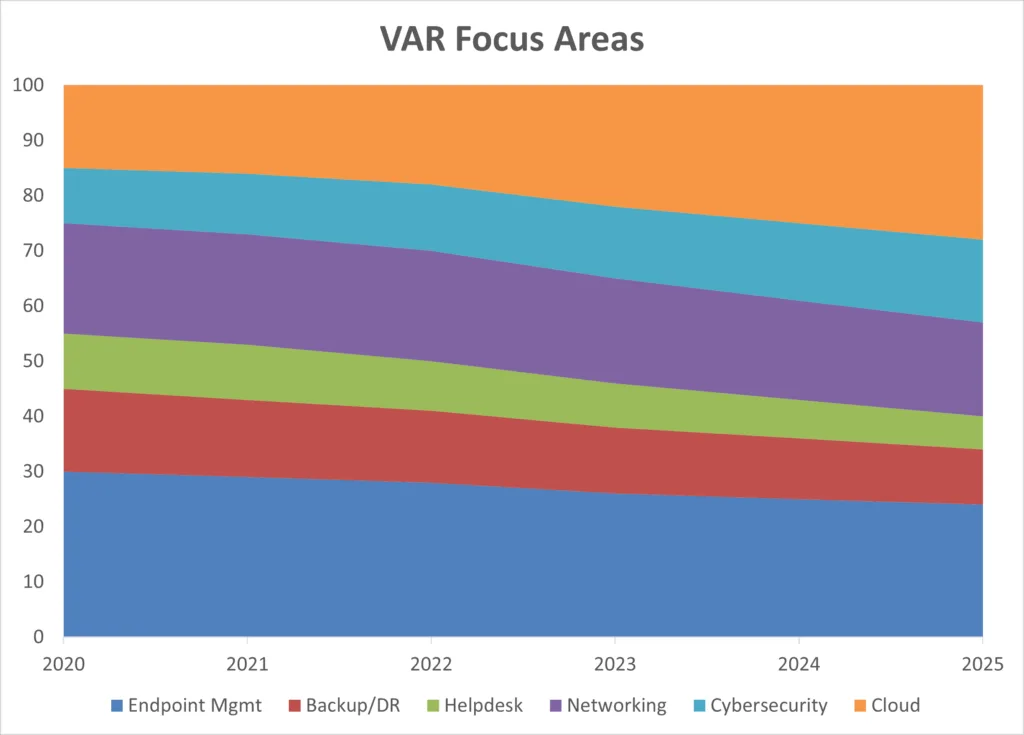
Let’s look at how MSPs and VARs actually allocate their time and revenue across service lines. A visual comparison of 2025 estimates tells the story clearly:

Chart data synthesized from publicly available reports including Canalys (MSP Landscape 2024), CompTIA (State of the Channel 2023–2025), Kaseya/Datto MSP Benchmark Reports, and IDC Partner Ecosystem Forecasts. Figures are directional estimates reflecting market share by service line and are rounded for comparative visualization.

This isn’t just a surface-level difference—it reflects a complete divergence in operating models. MSPs are anchoring themselves in scalable, automated, recurring service delivery. VARs remain largely tied to hardware, implementation, and short-term projects.

Where MSPs are optimizing for margin per ticket and time-to-resolution, VARs are still chasing margin per unit sold and quoting cycles. This graph is less a snapshot than a roadmap—the MSP economy is moving in a fundamentally different direction.

Why Most VARs Didn’t Make It

  1. The Culture Gap: VARs are project-based. They optimize for margin on discrete transactions. MSPs are operational entities. They think in workflows, SLAs, and margin per ticket. That shift isn’t just financial—it’s organizational. And many VARs didn’t want to make it.
  2. The Tech Stack Problem: MSPs build around RMM, PSA, MDM, and now AI-driven automation. VARs, meanwhile, are often stuck quoting hardware and maintaining legacy relationships with distributors. You can’t bolt managed services on top of that stack—you need a replatforming.
  3. The Talent Trap: Great MSPs invest in service delivery talent—L1, L2, and increasingly virtual CIO roles. VARs hire for pre-sales engineering and deal support. The skillsets are different, and so is the hiring motion. You can’t just retrain a sales org to run managed services.
  4. The PE Playbook Wasn’t Enough: Yes, private equity firms tried to MSP-ify their VAR portfolios. Some succeeded. But many just bundled services with no operational integration. They got a few years of EBITDA uplift, but not the long-term transition they expected.

What Actually Happened

So if VARs didn’t become MSPs, what did they become?

The answer depends on how aggressively they evolved:

  • The Bold Few replatformed and built true MSP engines. These are now indistinguishable from born-in-the-cloud players.
  • The Middle Majority added services but remained sales-centric. These firms are being commoditized or acquired.
  • The Legacy Holdouts stuck with project work, hardware, and on-prem support. Many are now losing relevance.

Meanwhile, the MSP segment matured, specialized, and consolidated. We now see:

  • Vertical MSPs with deep IP in healthcare, legal, construction, etc.
  • MSSPs born from MSPs that doubled down on cybersecurity.
  • Platform MSPs that run integrated, repeatable service models across hundreds of clients.

A New Playbook for Vendors

If you’re a vendor with a cloud, SaaS, or hybrid HW/SW portfolio, it’s tempting to cling to the idea that your legacy VARs will modernize into service delivery partners. But that bet isn’t aging well.

Instead, consider this:

  • Segment by Operating Model, Not by History: Don’t ask, “Were they a VAR or MSP?” Ask, “Do they have the systems, people, and incentives to drive recurring service outcomes?”
  • Prioritize Integration into the MSP Stack: MSPs want fewer tools, deeper integration, and automated workflows. If your solution doesn’t plug into their PSA, RMM, or ticketing platforms, you’re just noise.
  • Lean Into Specialization: The fastest-growing MSPs are niche-focused. Help them go deeper: offer compliance bundles, co-branded vertical marketing, or SLAs tailored to end-client needs.
  • Design Programs for Stickiness, Not Just Margin: Margin incentives are table stakes. Design for long-term revenue growth: training, automation, customer success collaboration, and shared account planning.

A 2025 Playbook for MSPs

  • Productize Services: Bundle high-margin, repeatable services (e.g., MDR, compliance-as-a-service) that scale.
  • Automate Everything: Use AI and ML in ticket triage, patching, threat detection.
  • Standardize Stack: Fewer tools, deeper integrations—limit vendor sprawl.
  • Deepen Vertical Expertise: Create proprietary playbooks for specific industries.
  • Co-Manage Strategically: Partner with internal IT teams, not compete with them.
  • Invest in CS + Renewal Ops: Recurring revenue doesn’t renew itself. Customer success drives MRR durability.

A 2025 Playbook for VARs

  • Decide: Reinvent or Specialize: Either replatform into a true MSP or go deep into enterprise project expertise.
  • Bundle + Subcontract: Don’t try to become an MSP overnight. Partner with one and build margin into bundles.
  • Modernize Sales Motions: Sell lifecycle value, not just SKUs. Introduce consumption-based offerings.
  • Align with Cloud & Security: Even if project-based, lead with what clients are prioritizing—zero trust, hybrid cloud.
  • Offload Low-Margin Services: Get out of break/fix, generic helpdesk, and backup unless fully automated.

The idea that VARs are becoming MSPs was a useful bridge story—but it’s no longer true in most cases. Instead of hoping for convergence, it’s time to embrace the divergence. I am never going to eat egg salad, but a nice fried or scrambled egg may make the cut.

New go-to-market sales strategy improves sales efficiency by 42%

Sales organization design case study

New go-to-market sales strategy improves sales efficiency by 42%

The challenge

Can growth continue with unfair sales coverage and missed opportunities?

Despite tremendous growth in the previous year, this SaaS company had seen large variations in the performance of their sales representatives with unfair territory coverage. Strong product-led growth left many loyal customer opportunities dormant. Here’s how Marketbridge helped design a more efficient go-to-market strategy that aligned sales motions with revenue potential and customer value for growth.

The objective

Diagnose and align to accelerate growth

The client’s objective was to gain a top-to-bottom analysis of their current sales strategy and highlight key areas of focus. This analysis would then be used to provide a framework to accelerate growth and scale effectively.

Through interviews with key stakeholders, it was observed that there was a lack of knowledge on how to market and communicate to customers beyond the end user. Additionally, there was a disconnect between the different players throughout the sales process, along with the sentiment that sales-led accounts could have been performing well above their current ARR.

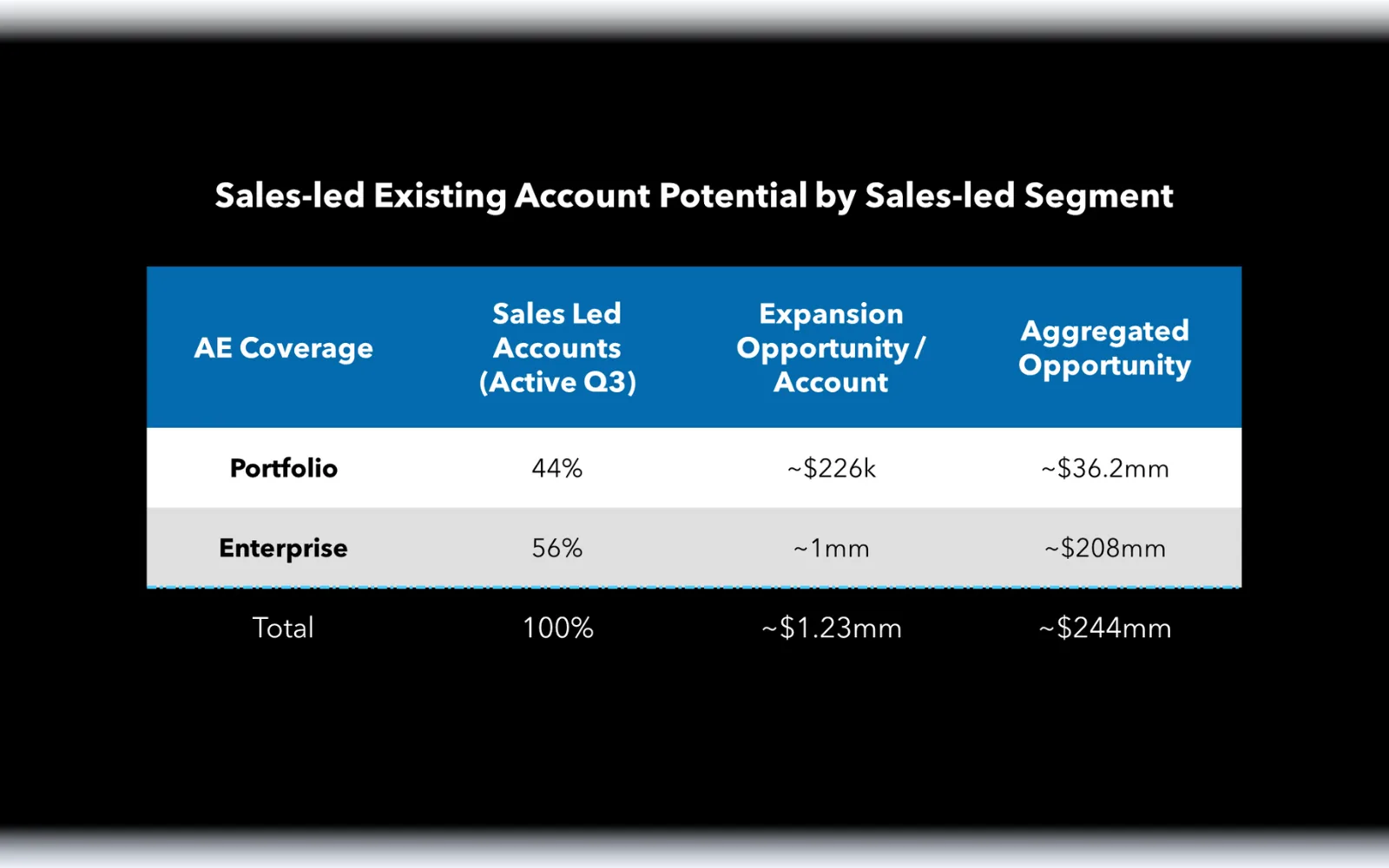
Key gaps were also observed in both current segmentation and coverage. A bifurcated segmentation model blurred the lines for account coverage, with 43% of accounts misaligned due to poor segmentation, and inconsistent role definitions created a lack of connection to revenue objectives and the sales cycle. With this information, our goal was to design and implement a revised go-to-market sales strategy, aligning revenue potential, customer value and sales motions to enable future growth.

The solution

Three steps to optimize roles, territories, and incentives

Step 1: Baseline assessment and strategy alignment

Marketbridge performed a baseline assessment of the current strategy and coverage structure. Customer segmentation, role definitions, territories, and marketing strategy were then analyzed. Significant gaps were found that needed to be addressed within each area of focus. Marketbridge identified three distinct sales plays that the client could utilize to enable future growth opportunities.

Step 2: Segmentation, role definition and coverage design

Using the information obtained in the baseline analysis, Marketbridge applied a data-driven approach to model opportunity at the account level—finding that ~75% of all ARR and opportunity fell within the top two deciles. This calculated information was then used to suggest alternative segmentations that could be aligned across roles and throughout the sales process. The new design also included updated role definitions, allowing for more specialization and deeper knowledge of the requirements. Marketbridge also recommended a reallocation of current accounts and a change in coverage design—considering time zones when allocating both existing and new accounts to ensure that resources could engage with clients consistently and influence future hiring strategy.

Step 3: Implementation of territory models, compensation and coverage design

These recommendations were translated into a driver-based financial model for the new fiscal year. The model incorporated channel economics to ensure a profitable and highly scalable approach to growth. It created new dynamic territories and more evenly allocated accounts across the Sales team. With this, the client could enable dynamic territories and optimize resource allocation over time. In addition, new sales compensation plans were outlined to pay for performance and align incentives with role requirements. Roles were then allocated across the sales cycle in a detailed coverage map that clearly defined each person’s role through each phase

Business impact

Primed for future growth

42% improvement in sales efficiency and target attainment

With the new account allocation, opportunity was evenly distributed across sales staff. This decreased expense to new bookings by 42% and allowed all sales staff to reach target ARR goals. Detailed roll definitions also improved connectivity and collaboration throughout the sales process.

Greater alignment of Sales and Marketing functions

Improved coverage structure helped align future sales plays and marketing efforts. This allowed both teams to communicate a consistent value proposition to both existing and potential customers. Consistent segmentation also reduced the number of misaligned accounts to 0, allowing for more collaboration across all departments and roles

Scalable go-to-market strategy 
for ARR growth

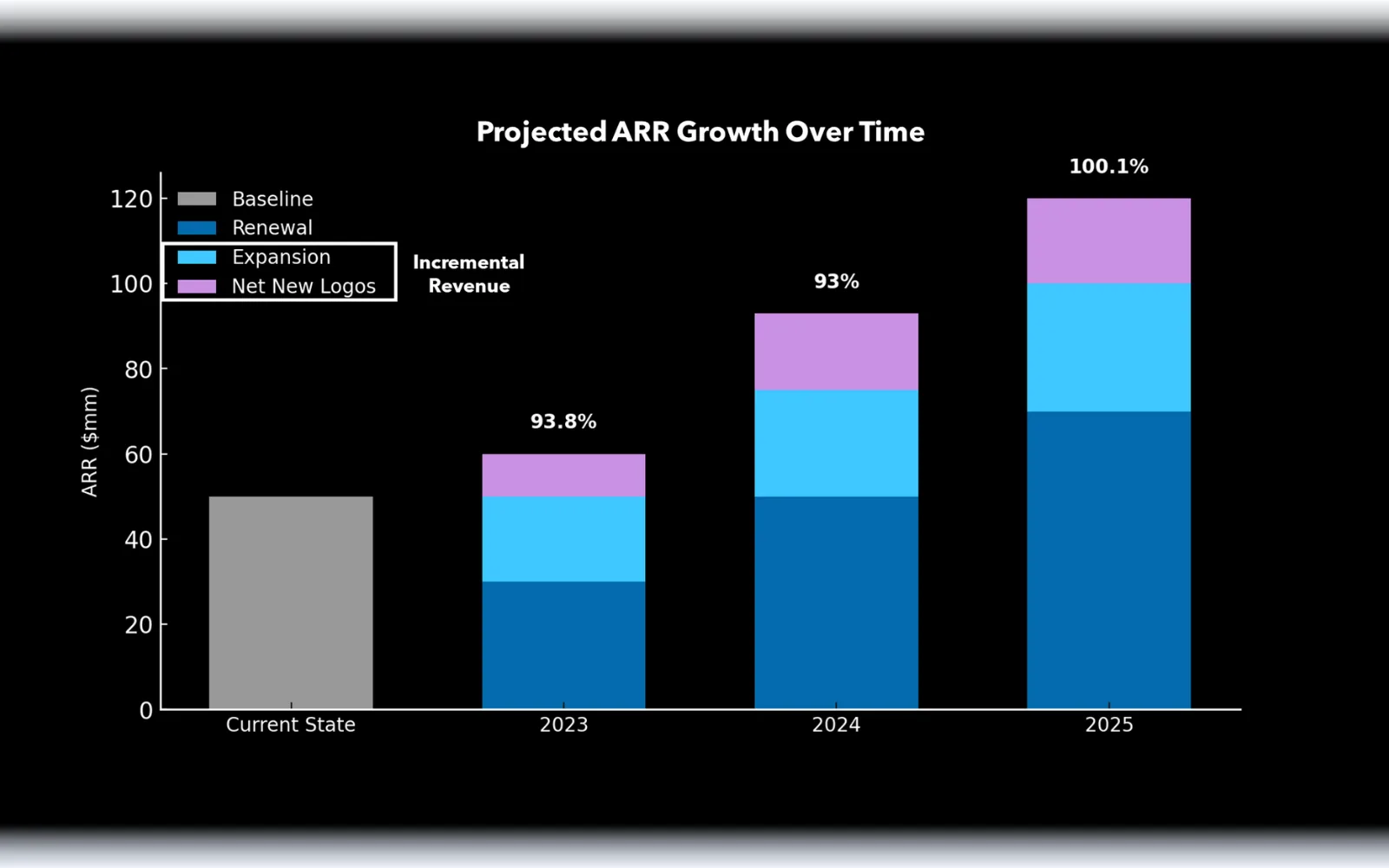
Our implementation has influenced a net ARR increase of 130%. New dynamic territories created by the model enabled the client to distribute new accounts across the Sales team effectively as their customer base grew. This more efficient allocation of resources ensures consistent customer engagement and can adapt, continuing to promote revenue growth.

Optimizing member outreach campaigns improves health outcomes

Marketing effectiveness case study

Optimizing member outreach campaigns to improve health outcomes

The challenge

How does marketing impact member health?

Quality member care is a crucial part of the long-term success of healthcare payers. Better member health outcomes mean healthier members, lower medical costs, less member disenrollment, improved Medicare Advantage star ratings, and bonus government reimbursements. 

A Fortune 50 healthcare payer invested hundreds of thousands in outreach campaigns that asked targeted members to complete certain preventive screenings, aiming to improve overall member health outcomes. However, the ability to measure the effectiveness of these marketing campaigns was a challenge.

There were two main pain points. First, the campaigns consisted of multiple touchpoints across offline (direct mail, phone calls) and online (digital media) channels, making it hard to determine which tactics were driving preventive screenings. Second, the long-tail response curves of these campaigns and the time it took to receive claims data meant months of delay for analysis and optimization.

The objective

Optimize measurement efforts

This Fortune 50 healthcare payer wanted to develop a measurement plan to achieve three main objectives. 

Determine Campaign Effectiveness

Are certain marketing campaigns effective in persuading members to take a test, get a screener or engage in other health outcomes?

Segment the Market

Which patient segments are responding to which marketing tactics and how do we capitalize on each using data? 

Driving Continuous Improvement

How can the client infuse timely data-driven learnings into ongoing marketing cycles for continuous testing & learning?

The solution

Concurrent modeling and testing approach to measurement

Marketbridge solves the toughest marketing and sales challenges using quantitative, reproducible methods—and we have a history of helping healthcare leaders succeed in a crowded marketplace by optimizing channel coverage, personalizing the purchase experience, and measuring which marketing channels are driving results across the buyer journey. To accomplish this project, we leveraged all our experience and recommended a two-part measurement approach.

Build a Multi-touch Attribution (MTA) Model

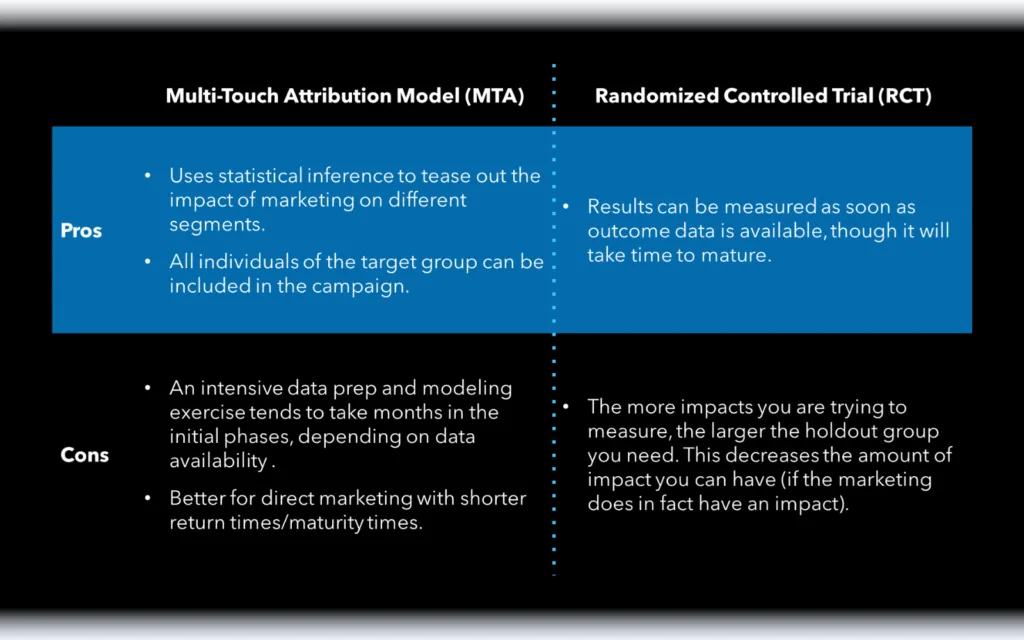
A multi-touch attribution model (MTA) assigns fractional credit to each touchpoint in the gap closure campaigns. This allows the marketing team to see how much influence each channel has on a given member action.

Over the long-term, this type of member-level response analysis enables the marketing team to make marketing mix decisions across different member segments. 

However, while an MTA model may at first seem to be an optimal solution, the response variable (in this case a member claim) takes several months to mature.  

A response requires a member to schedule and attend an appointment, and the claim data has a time-lag. In this case, the long lead-time meant the model results would not be available until after the next year’s campaign planning.

To account for this delay,  Marketbridge proposed pairing the model development with a Randomized Controlled Trial (RCT).

The RCT analysis proved that three out of four campaigns were successful in driving an incremental lift in gap closures. These timely results allowed the marketing team to optimize spend toward the three campaigns that were working, and bought time to “retool” the unsuccessful campaign for testing in a future campaign cycle.

As for the MTA model, the overall long-term results validated the findings of the RCT analysis and proved that most of the marketing campaigns were working.  

However, to gain even more insight into how to best optimize marketing spend, Marketbridge applied an existing propensity model to campaign responders to see if marketing’s impact varied by a member’s “likelihood to close a care gap.” By looking at the results in this way, the payer learned the cost to market to each segment. As expected, members with a higher likelihood to close a care gap had overall lower cost-per-incremental-closure versus members with a low likelihood to close a care gap.


Business impact

Brand campaigns targeted at the right people led to improved marketing ROI

With our insights and recommendations, the client was able to increase their marketing ROI and optimize their budget to best improve overall member outcomes

Optimized Marketing Spend

Results showed that members with a higher likelihood of closing a care gap had lower cost-per-incremental-closure, leading the marketing team to streamline efficient outreach.

Improved Member Health Outcomes

The marketing team proved the impact of targeted care gap campaigns on preventive screenings, improving member health outcomes.

Timely Test and Learn Cycles

An RCT approach enabled the marketing team to work around long-tail response curves to build data-driven campaigns for year-round learning and optimization of marketing outreach.